
Yalla Choy: The Invigorating Green Delight You’ve Been Missing
What is Yalla Choy?
Yalla choy, scientifically known as Brassica rapa var. chinesis, is a leafy vegetable that is increasingly recognized for its nutritional benefits and culinary versatility. It is commonly referred to as Chinese broccoli or Chinese kale, hailing from the mustard family, Brassicaceae. The origins of yalla choy can be traced back to East Asia, where it has been cultivated for centuries.
The appearance of yalla choy is distinctive, featuring broad, flat leaves that are often dark green, with thick, succulent stalks. It tends to grow robustly in cooler climates, making it a popular choice in various regions of Asia, including China, Taiwan, and Vietnam. The plant can vary in height but typically reaches about 20 to 50 centimeters, making it a striking addition to any garden or market stall.
Yalla choy holds significant cultural importance in many Asian cuisines, where it is often used in stir-fried dishes, soups, and salads. Its flavor profile is slightly bitter, complemented by a crunchy texture, which adds depth to various dishes. Commonly, this vegetable is blanched or sautéed, helping to maintain its vibrant green color and nutritional value. Beyond culinary applications, yalla choy is celebrated for its health benefits; it is rich in vitamins A, C, and K, as well as dietary fiber, making it a wholesome addition to a balanced diet.
In contemporary culinary trends, yalla choy is embraced not only for its nutritious benefits but also for its role in promoting sustainable eating practices. The rising interest in locally sourced vegetables has cemented yalla choy’s popularity, as it can be grown in urban gardens and community plots. This adaptability has contributed to its appeal among health-conscious consumers and chefs alike, reaffirming its significance in modern gastronomy.
Nutritional Benefits of Yalla Choy
Yalla choy, also known as Chinese mustard greens, is renowned for its impressive nutritional profile that contributes significantly to overall health. This leafy green is not only low in calories but also high in essential vitamins and minerals. Notably, it is a rich source of vitamins A, C, and K. Vitamin A is crucial for maintaining healthy vision, while vitamin C supports the immune system and aids in collagen production. Vitamin K plays a critical role in bone health and blood clotting.
Furthermore, yalla choy is packed with minerals such as calcium, iron, and potassium. Calcium is vital for maintaining strong bones and plays a role in muscle function. Iron is essential for the production of red blood cells and helps in preventing anemia, while potassium is important for regulating blood pressure and supporting heart health. The combination of these nutrients positions yalla choy as a powerful asset in any diet.
This green vegetable may also aid in digestion and weight management due to its high fiber content, promoting a healthy gut. In addition, the antioxidants found in yalla choy help combat oxidative stress in the body, reducing the risk of chronic diseases. These factors contribute to yalla choy being classified as a ‘superfood’ by many nutritionists and health enthusiasts.
Incorporating yalla choy into various dietary practices can enhance nutritional intake without compromising on taste. It can be enjoyed raw in salads, sautéed, or added to soups and stir-fries, fitting seamlessly into vegetarian, vegan, and omnivorous diets alike. Overall, yalla choy stands out as a healthy choice that provides numerous health benefits and enhances culinary experiences.
How to Use Yalla Choy in Your Cooking
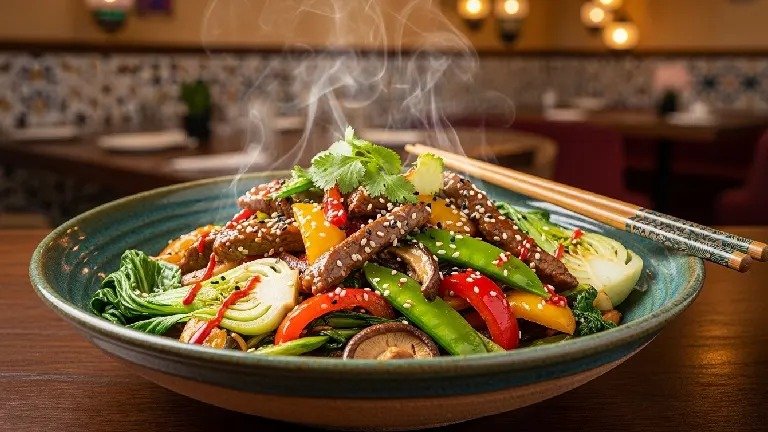
Yalla choy, with its vibrant green color and refreshing taste, can easily elevate your meals. This versatile leafy vegetable can be used in a variety of dishes, allowing for creative culinary exploration. One of the simplest ways to incorporate yalla choy into your cooking is through stir-frying. Begin by washing the leaves thoroughly and cutting them into smaller pieces. Heat a tablespoon of oil in a pan, add garlic or ginger for added flavor, and toss in the yalla choy. Stir-fry for just a few minutes until the leaves are tender but still crisp, creating a nutritious side dish or an excellent addition to a stir-fry with protein such as chicken, beef, or tofu.
For those looking for a lighter option, yalla choy makes a fantastic base for salads. Combine fresh yalla choy leaves with ingredients like cherry tomatoes, cucumbers, and a light vinaigrette for a refreshing salad. Additionally, consider pairing yalla choy with citrus fruits like oranges or grapefruit to enhance its natural flavors. Adding nuts or seeds can provide a delightful crunch and additional health benefits.
Soups are another excellent medium for utilizing yalla choy. You can incorporate it into vegetable or chicken broths, adding the leaves in the last few minutes of cooking to retain their nutrients and texture. This green delight can also grace noodle dishes, where its flavor can complement the hearty taste of the broth and noodles.
Experimenting with yalla choy opens up numerous possibilities in your kitchen. Whether featured prominently in stir-fries, salads, or soups, yalla choy is a versatile ingredient that not only enhances the visual appeal of dishes but also enriches them with flavor and nutritional value. Embrace the vibrant green delight and enjoy the culinary adventures that come with it!
Yalla Choy Around the World
Yalla choy, also known as Chinese flowering cabbage, has firmly established itself as a versatile ingredient across various culinary traditions worldwide. This leafy green, characterized by its vibrant color and mustard-like flavor, is particularly favored in Asia. In countries such as China, it is a staple in many household recipes, where it is often stir-fried with garlic or paired with soy sauce to enhance its palatable bite. The dish known as yalla choy stir-fry combines quick cooking techniques that preserve the vegetable’s crispness and nutritional value, making it a favorite among both chefs and home cooks.
Beyond its Asian roots, yalla choy is gaining popularity in Western cuisines, especially within vegetarian and health-conscious communities. For instance, in Italy, some chefs have started to incorporate yalla choy into pasta dishes, offering a unique twist to usually traditional recipes. The green’s subtle bitterness can complement the rich sauces commonly used in Italian cuisine, creating an ideal balance of flavors that delight the palate.
In the Middle Eastern cuisine, variations of yalla choy can be found in salads, where it is mixed with bold spices and citrus dressings, highlighting the fresh and invigorating taste of the vegetable. This ability to adapt to various flavor profiles is one of the hallmarks of yalla choy, allowing it to seamlessly blend into different culinary styles.
Furthermore, unique preparation techniques related to yalla choy are emerging, such as pickling, where the greens are fermented in traditional methods for preservation and enhanced flavor. This practice not only elevates the vegetable’s taste but also extends its shelf life, contributing to its role in sustainable cooking.
Overall, yalla choy continues to bridge cultural gaps in the culinary landscape as it becomes a beloved ingredient around the globe, flourishing in both traditional dishes and innovative cuisines while celebrating its diverse roots.